
Photodynamic Therapy (PDT)
Doctor-led consultation and treatment. Clear information, careful assessment, and personalised care.
Serving patients in Morayfield, Caboolture, North Lakes, Narangba, and the broader Moreton Bay region.
Skin can change over time in ways that affect texture, tone, clarity, and overall appearance. If something about your skin has been on your mind, it is reasonable to want clear information about what may be contributing and whether PDT may be appropriate for you.
Photodynamic therapy (PDT) is a doctor-led procedure that may be considered in selected cases as part of a cosmetic skin treatment plan.
Our role is to help you understand whether PDT may or may not be appropriate for your skin concerns, and what a realistic treatment pathway may look like for you.
Understanding why skin changes over time
Changes in skin appearance can happen for a number of reasons, including:
- cumulative sun exposure
- the natural ageing process
- uneven skin texture or tone
- individual skin characteristics
- environmental and lifestyle factors
A careful consultation helps clarify what may be contributing and whether PDT may or may not be appropriate for your individual situation.

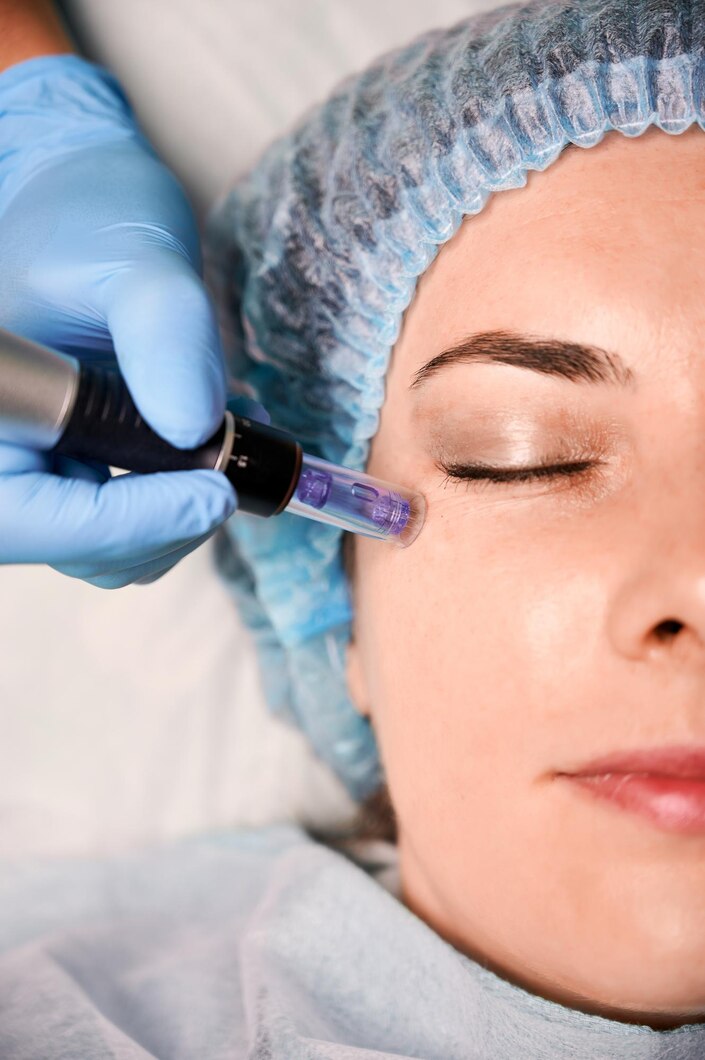
What is photodynamic therapy (PDT)?
Photodynamic therapy is a non-surgical procedure that uses a light-sensitive solution and a specific light source as part of a doctor-led treatment process.
The procedure involves applying a light-sensitive solution to the skin and then activating it with a specific light source. Suitability, timing, and expected response vary between individuals.
PDT is performed in a clinical setting under doctor supervision. The exact process, timing, and suitability depend on your skin concerns and individual assessment.
What may be discussed in your consultation
Depending on your skin concerns and individual clinical assessment, PDT may be discussed in relation to:
- fine lines and visible skin ageing
- skin texture and overall skin quality
- selected concerns where skin renewal is being considered as part of a cosmetic treatment plan
- individual treatment planning, where clinically appropriate
PDT is not appropriate for every skin concern or every patient. A proper consultation always comes before any treatment recommendation.
Our Approach
Personalised. Honest. Unhurried.
At Simply Balanced Cosmetic Clinic, we don’t begin with a treatment. We begin with a careful assessment.
Dr Jeremy will take the time to understand your concerns, review your relevant skin history, and assess whether PDT may or may not be appropriate for your specific situation.
From there, he’ll walk you through:
- 1
Whether PDT may be appropriate
- 2
Likely benefits and realistic limitations
- 3
Possible risks and side effects
- 4
What the treatment process involves
- 5
Aftercare and what to expect afterwards
- 6
Whether another option — or no treatment for now — may be more appropriate
There is no obligation to proceed, and no pressure to decide on the day. Our goal is to make sure you leave better informed than when you arrived — whatever you decide.
What happens during PDT?
PDT is generally performed across two stages in a single appointment:
Stage 1 — Application
The exact process depends on your individual assessment and treatment plan. In general, PDT involves preparing the skin, applying the appropriate solution, and using a specific light source for a short treatment period.
Your doctor will explain what is involved, how long the appointment is likely to take, and what to expect before, during, and after the procedure.
Stage 2 — Light Activation
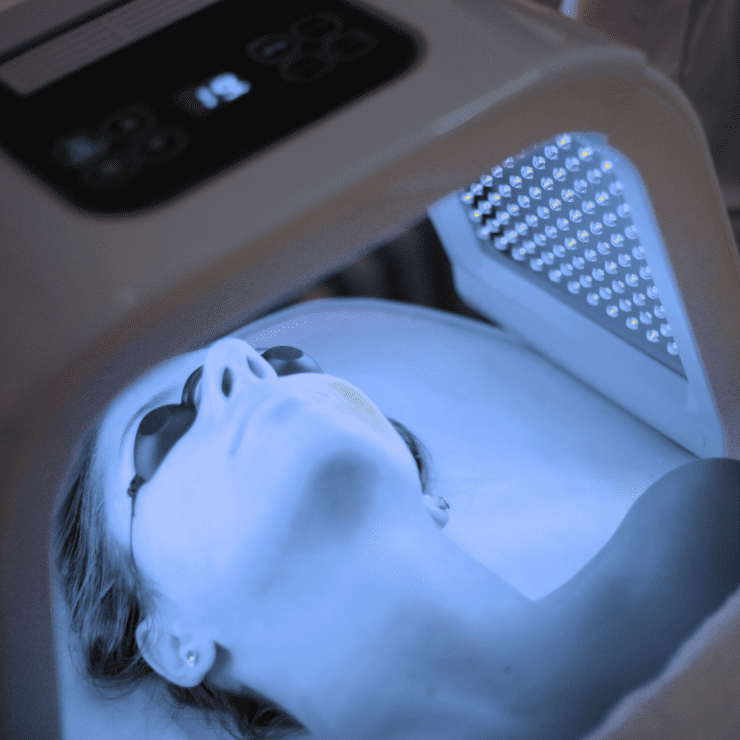
The treatment area is then exposed to a specific light source, which activates the photosensitising agent in the targeted cells and initiates the treatment process. The duration of light exposure depends on the area being treated and the protocol used.
The exact process, timing, number of sessions, and aftercare requirements depend on your diagnosis, the area being treated, and Dr Jeremy’s clinical assessment.
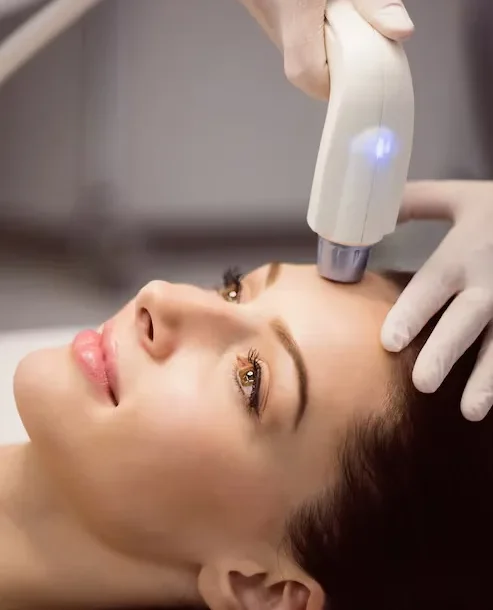
Recovery and aftercare — what to expect
What you experience afterwards can vary between individuals. Dr Jeremy will explain what may be realistic for your skin and treatment plan, along with any aftercare instructions and review needs.
If PDT is recommended for you, all preparation, aftercare, and what to expect will be discussed clearly before you decide whether to proceed.
- Redness and warmth — often immediately after treatment, similar in feel to sunburn
- Swelling — particularly in areas with more significant sun damage
- Stinging, burning, or discomfort — which can occur during treatment and continue for a period afterwards
- Crusting, peeling, or flaking — as the skin heals and repairs following treatment
- Increased light sensitivity — the treated area and, in some cases, surrounding skin may be sensitive to light for a period after treatment, and strict light avoidance is important
Recovery can range from a few days to several weeks depending on the extent of the treatment area and your individual skin response. Dr Jeremy will give you specific, personalised aftercare instructions and explain what to watch for and when to seek review.
Frequently Asked Questions — Photodynamic Therapy
Yes. A consultation comes first so Dr Jeremy can assess your concerns, suitability, and whether PDT may or may not be appropriate for you.
PDT may be discussed in selected cases as part of a cosmetic skin treatment plan, depending on your concerns and individual assessment.
The treatment itself is relatively quick, with the light-based part of the procedure generally taking around 13 to 20 minutes, depending on the treatment plan.
Protective goggles are used during the procedure to protect your eyes.
Dr Jeremy will explain what to expect based on your skin and treatment plan. In many cases, patients are able to return to normal activities afterwards.
No Medicare rebates apply.
If PDT is not appropriate for your situation, Dr Jeremy will explain why and discuss what other options may be more suitable.